Condition 1 Combat Center Boxing Gym: Mitt Work for Speed and Accuracy
Boxers love to debate bag rounds versus mitt work. At Condition 1 Combat Center, we stack both, but when you need speed, precision, and the ability to hit a moving, thinking target, the focus mitts win often. The pads simulate the chaos of a real exchange without the risks of full sparring. They force you to read micro cues, change rhythm, and shoot punches down deliberate lines. A skilled coach on the mitts becomes your training partner and your metronome, sometimes your worst critic, and usually the reason your punches start landing where they should.
You will see mitt rounds across our classes, from beginners building stance and balance to advanced fighters polishing counters. Whether you know Condition 1 Combat Center as an MMA gym, a boxing gym, or for muay thai and Brazilian jiu jitsu, pads are a common language connecting disciplines. This article breaks down how we use mitts to sharpen hand speed and improve accuracy, why certain drills work, and how to program them into a week of training. Expect practical cues, examples, and the trade-offs we weigh each day on the floor.
Why mitt work hits speed and accuracy better than the bag
A heavy bag is honest about power but a poor liar about timing. It swings predictably and never flinches. Mitts, when held by a focused coach, add the variables that actually slow fighters down in live work: distance changes, odd angles, late callouts, and feints. You accelerate only when the window appears, which trains both velocity and decision speed.
Accuracy follows the same path. On the bag you might land “close enough” and it still sounds good. On pads, a missed target feels obvious. Coaches can stack constraints, such as a 3-inch circle on the mitt for the rear straight or a small belly pad zone for the shovel hook. Shrinking the window builds aim and discipline without chasing power.
Two numbers guide our approach:
- Hand speed is the product of technique, relaxation, and anticipatory timing. When a boxer predicts the target, speed shows up. When the target surprises them, speed collapses. We train both outputs, then blend them.
- Accuracy is not just about landing. It is about landing at optimum alignment. Knuckles line up with forearm, shoulder sets the angle, hips carry the frame. Proper structure equals repeatable aim and reduced injury risk.
Setting your stance and lines before you ever throw
Most accuracy problems start below the hands. Good foot position organizes good aim. We cue athletes to set a quiet base, weight around 55 percent on the rear leg, lead knee soft, spine tall. The head floats between the feet, chin tucked, eyes level. From there we build two lines: the straight line to the centerline of the target, and the pivot line that lets you shift the angle without telegraphing.
On the mitts, coaches test these lines. A simple “jab” call becomes a distance check. If you step deep and crowd, the mitt will crash your glove, and you feel how your elbow collapses. If you throw from too far, you reach, the shoulder hikes, the fist rolls, and accuracy falls off. We correct this with short bounce steps, half steps, and cadence work. One common rhythm is jab - reset - jab, where the first punch measures and the second lands at full line.
A second foundation is head discipline. When an athlete chases the mitt with their head, punches drift. We ask for still eyes, a level gaze, and a compact shoulder snap. The head moves for defense after the shot, not during the reach.
Building speed with rhythm, not tension
The fastest hands in the room usually belong to the most relaxed athlete. Muscular tension slows the return and kills the second and third beats of a combination. Our mitt rounds for speed start at a moderate RPE, usually around 6 out of 10. We teach athletes to hear the coach’s cadence and punch to that music. The mitts clap, the feet whisper, and the hands come home clean.
We like contrast training inside a single round. For example, 30 seconds of quick jab touches where the goal is snap and recoil, not crush, followed by 15 seconds of a full jab - cross blast. Then return to light touches. This contrast recruits speed while reminding the body that power happens after accuracy, not before it.
Cues that help:
- Snap, don’t shove. If the pad is traveling, your glove should meet and leave, not push it.
- Return path equals launch path. Straight out, straight back. Loops cost time.
- Exhale on contact. A small breath out keeps the upper body loose and aligned.
- Read the shoulder, not the mitt. Anticipating the coach’s shoulder tells you where the target will be.
Accuracy through constraint: make the window smaller, then move it
Accuracy grows when the target shrinks. We often mark a dime-sized circle on the mitt with tape or chalk and ask for three consecutive lands on that mark before moving to another punch. For body shots, the coach shows a small edge of the belly pad, not the whole square. This builds aim under pressure. After a few clean lands, we add head movement before and after the punch to test whether accuracy holds through motion.
A classic drill for accuracy is the nine-dot map. Picture a 3 by 3 grid on the mitt face. The coach calls “center, left top, right mid” and the athlete fires short, fast shots to those exact zones. The goal is deliberate placement without over-swinging. This works for jab and cross, and also for short hooks where knuckle angle matters.

When we coach hooks, especially for athletes who come from the muay thai gym side, we watch the elbow path closely. A hook that travels too wide might score on a bag, but it will miss a moving chin. We cue 90 degrees at the elbow, palm down or palm in depending on range, and a quiet shoulder that does not shrug. On pads, the coach presents a shallow target that punishes a looping arm.
The coach’s job on the mitts: make it real, not random
Good pad holders are scarce because the craft is specific. The mitt is not a catch-all block. It is a moving cue and a feedback device. At Condition 1 Combat Center’s boxing gym, our coaching team treats the pad round as a conversation. We call combinations to build patterns, but we also ask questions mid-combo. Slip left? Pivot out? Check hook on exit? This is speed of decision, a trait that separates fast hands from fast thinkers with fast hands.
A round might open with scripted flow - jab, jab cross, lead hook cross - then morph into reactive calls. The coach flashes the left mitt quickly at the jawline, and the athlete must jab with no bounce. Then a short pull cue asks for a retreating cross as if the opponent overreached. Nothing is random. We select calls to stress a specific weakness that showed up earlier in the session.
Good pad work also protects the athlete’s joints. When absorbing a cross, the coach meets the punch with a slight forward press, wrist in neutral, elbow soft. For hooks and uppercuts, the mitt face rotates to present the correct angle, never twisting the athlete’s wrist at impact. This does not just make the round smoother. It keeps the shoulder complex healthy and lets athletes pile more quality volume week to week.
Speed rounds that actually produce speed
We use several progressions to build fast hands that still land clean. Three examples:
-
Metronome jab ladders: The coach sets a metronome on a phone at 120 bpm. Athlete jabs on every beat for 15 seconds, then on every half beat for 15. The mitt angle stays constant, and the athlete focuses on snap and identical hand return. We increase the tempo across weeks and track clean contacts per segment.
-
Burst and brake: In a 3 minute round, every 20 seconds the coach calls “go.” The athlete fires a 5 to 7 punch combination at high velocity, then immediately brakes into stillness with guard high and eyes up. This teaches acceleration without collapse, and accuracy under arousal.
-
Southpaw switch windows: For athletes in our mma training at Condition 1 Combat Center, switching stance is often part of the game. In this drill the coach calls a switch on a half beat then presents the mitt for a rear hand from the new stance. The target appears only briefly. The athlete learns to reorganize foot position fast without spraying shots off line.
Accuracy that carries into sparring
A common regret is accuracy that disappears once the headgear comes on. To close that gap, the pads should mirror sparring reactions. After a sharp one-two, the coach throws a soft counter pad toward the athlete’s glove-side cheek, forcing a parry or roll before the check hook lands. The mitt becomes an opponent’s fist in speed and angle. If the athlete misses the hook by more than an inch, we slow down, re-square the hips, and rebuild the line.
We also use “called corners.” The coach points the mitt to a corner of martial arts school spring the ring or mat between combinations. The athlete must finish the next shot from that corner, which means adjusting feet and angle while keeping the same accuracy standard. This little constraint is brutally honest about balance and composure.
For fighters who also train at the bjj gym side of Condition 1 Combat Center, we overlay grip fatigue. After a round of gi grip holds or sled drags, hands are tired and shoulders burn. That is the worst time to chase speed, which makes it the best time to test accuracy. We shrink the target, slow the combo, and demand three precise lands before switching sides. The discipline learned here travels well to late rounds.
Breathing and vision, the two quiet levers
Athletes fixate on hand speed but ignore the two easiest performance levers: breath and eyes. Rapid, shallow breathing floods the system and freezes the shoulders. We coach short exhales on each punch, and a slightly longer sip between combinations to reset. The tempo of the breath sets the tempo of the hands.
Vision is the other piece. Staring at the mitt kills peripheral awareness. Staring at nothing leaves the punch wandering. We coach soft focus on the center of the mitt, then broaden the gaze to include the coach’s shoulders. This lets you read the next call a fraction earlier. That fraction is speed without effort.
Integrating pad work across MMA, muay thai, and self defense
Condition 1 Combat Center is not just a boxing gym. It is a place where muay thai kicks meet boxing hands and where mma training forces you to punch after level changes. We use mitt work to connect those dots. For muay thai, add a check or teep after a boxing combo to prevent crowding. The hands stay quick, but the feet manage distance. For mma, we insert level change feints between punches. Jab, level change to the knee line, back to cross. The mitt floats only if your head returns to center with balance.
In our self defense classes, the emphasis tilts to quick, accurate blows that create escape windows. We favor vertical-fist straights to the chin line and palm strikes to the nose bridge or ear, plus hammerfists that tolerate bad footing. On the pads, this looks like short, sharp reps with a high success rate rather than long flashy combinations. Accuracy matters more here because the targets are small and the stakes are real.
If you skim our schedule on condition1combat.com for mma training or brazilian jiu jitsu training, you will notice pad rounds slotted before situational sparring. That pairing is deliberate. You practice on a thinking mitt holder, then you go test the same reactions against a partner. It keeps the thread intact from drill to live.
Common errors on the mitts and clean fixes
- Reaching with the shoulder: If your shoulder climbs to meet the target, your punch will sail. Fix by shortening the step and snapping from the guard. Cue elbow down, wrist straight, shoulder stays in socket.
- Dropping the rear hand on the lead hook: This opens your chin and slows recovery. Fix with a mirror drill between rounds, 20 shadow hooks focusing on rear hand glued to cheek.
- Chasing the pad with your head: You will over-rotate and lose balance. Fix by centering your eyes, letting the feet carry you to range, then punching.
- Turning the wrist late on the cross: Knuckles scrape and aim drifts. Fix with slow motion mitt catches, rotating the fist to alignment at the midpoint, not the impact point.
- Freezing after the combo: Speed dies between actions. Fix with a rule that every combination ends with a defensive beat - slip, roll, or small step - before resetting.
Measuring progress without guesswork
Speed and accuracy can feel subjective. We track them with simple numbers:

- Clean lands per 30 seconds at a set tempo. Define clean as center of mitt with proper knuckle alignment.
- Average time from call to contact in reactive rounds. A coach can count cues, or you can film at 60 fps and measure frames.
- Miss distance on a small mark. We use a 2 cm circle and count how often the strike lands within the ring.
- Return time. How fast does the glove return to guard after impact? Film from the side at eye level.
Most athletes improve in waves. You might gain 10 percent in clean lands over two weeks, plateau, then jump after a stance tweak. Write numbers down. Speed loves accountability.
Programming mitt work into a week that already feels full
You do not need hour-long pad rounds to get faster. Short, focused blocks win. Here is a simple structure we use for mixed-discipline athletes who split time between the Condition 1 Combat Center boxing gym, muay thai, and the bjj gym:
- Day 1 - Boxing focus: Three 3 minute rounds of speed mitts at RPE 6 to 7. Emphasis on jab volume and fast one-twos, with reactive slips after each combo.
- Day 2 - Muay thai focus: Two 3 minute rounds that pair hands to kicks. Quick jab - cross into right kick, then jab - hook into left kick. Keep hands light, prioritize angle changes.
- Day 3 - Grappling heavy: One 3 minute accuracy round after drilling, with targets shrunk and heart rate elevated. Aim for 80 percent clean hits, not max speed.
- Day 4 - MMA integration: Three 2 minute rounds starting in southpaw, switching mid round on coach call. Add level change feints and sprawls on cue.
- Optional Day 5 - Self defense emphasis: Two 2 minute rounds of palm strikes, hammers, and elbow entries. Small targets, fast exits, verbal commands layered in.
Even pros benefit from limits. Keep total weekly pad time in the 20 to 40 minute range depending on experience and phase of training. Add more only if quality stays high.
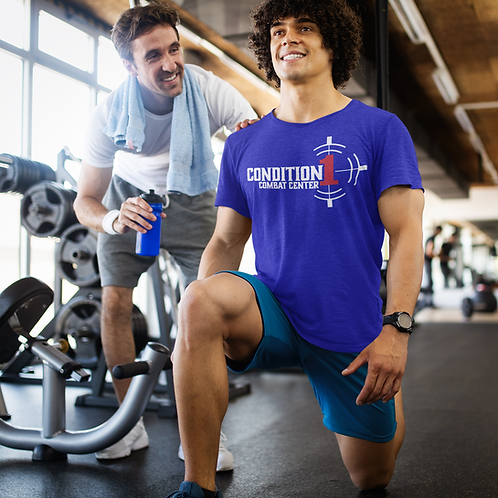
Drills that sharpen both hands in under ten minutes
If you are squeezed for time before a bjj session or after a conditioning block, use compressed circuits:
The two-second window: Coach flashes the mitt briefly in three locations, two seconds apart. The athlete must land a fast, precise shot each time without loading. Two minutes on, one minute rest. This widens attentional bandwidth and forces calm mechanics.
The traveler: The coach moves in a slow circle. The athlete keeps foot position, maintains range, and fires only when the mitt appears. Each land must be center of target. Misses cost a burpee. Short, harsh, and clarifying.
Crossfire: Two athletes share a coach. One throws jab on cue, the other throws cross. The mitt moves between them. No waste, no drift, just snap and return. This adds rhythm pressure and teaches pace control.
When accuracy costs speed, and when that is fine
Trade-offs are real. If an athlete adds 5 mph to their hands but sprays half their shots, they are not faster in any way that matters. Early phases favor accuracy. We shrink windows, slow tempo, and lock down form. Mid phase we add speed layers without letting the miss rate climb above 20 percent. Late phase, close to competition, we accept a few misses if the exchanges demand it, but we never throw away structure.
A side note for muay thai students at Condition 1 Combat Center: speed on hands should not hijack your kick rhythm. Many athletes snap fast jabs and then hesitate before the kick, or they rush the kick and lose balance. We coach a quiet hand finish into a smooth weight transfer, not a lunge. Accuracy at the end of the punch sets the hip to fire the kick clean.
Safety, longevity, and the invisible volume
Pad work looks harmless compared to sparring. Elbows and wrists tell a different story if the angles are wrong or the volume is unchecked. We cap hard impact rounds, keep wrists wrapped, and teach impact alignment early. If a boxer complains of forearm ache after jabs, we check knuckle line and elbow path before adding rest. If shoulders fatigue on hooks, we trim the round duration and raise the mitt height slightly to reduce internal rotation stress.
For pad holders, hand and shoulder health matter too. Keep the mitts in front of the sternum, not flared wide. Meet punches, do not absorb them limp. Switch stances occasionally to protect your lower back. Good pad work is a two-person lift.
How this connects to everything we do
Walk through the facility during peak hours and you will hear mitts clap in the boxing space, shin guards thump on the muay thai mats, and grips snap in brazilian jiu jitsu training. The shared thread is timing and accuracy under movement. Mitt work teaches you to see, to decide, and to deliver with structure. That maps to every striking exchange in mma, to every exit in self defense, and even to the balance you need for guard passing when you are tired.
If you are looking for mitt rounds that make you faster and sharper, find a coach who treats pads as a language, not a prop. At the Condition 1 Combat Center boxing gym, we build that language every day. You can explore our offerings across the mma gym programs, the muay thai gym sessions, and the bjj gym schedule at condition1combat.com when you are ready. The specifics evolve with each athlete, but the core does not change: clean lines, calm eyes, and hands that arrive on time.
Troubleshooting plateaus and stale rounds
If your pad rounds feel flat, the fix is usually one of three things. Change the constraint, change the tempo, or change the objective. If accuracy stalls, shrink the target, shorten the combination, and add a defensive beat between shots. If speed lags, lighten impact, increase foot rhythm, and add reactive calls with short windows. If both feel dull, step away from volume for a week and focus on five perfect minutes per session. Quality begets speed. Consistency begets accuracy.
Remember, more mitt time is not better if it steals from your recovery. One high quality session before a heavy sparring day can sharpen reactions without adding much fatigue. Pair that with a lighter accuracy-only session after grappling and you will carry sharp hands into the weekend.
A final word on culture and standards
Great pad work thrives in a culture where precision matters. At mma gym Condition 1 Combat Center, athletes across levels hold each other to small targets and clean mechanics. Beginners earn praise for a quiet return, not just a loud smack. Advanced fighters get called out when they chase power and lose the line. That shared standard creates athletes who can change speed without changing form.
If you are cross-training, the same habits climb with you. Bring your fast, accurate hands from the boxing space into clinch fighting in muay thai. Use the calm eyes you learned on the mitts when a grappling exchange scrambles your breath. Train your ability to hit the small window when a partner gives you one chance to exit in self defense. That is the utility of mitt work done right. It broadens your toolbox and sharpens the edges that actually cut.
Condition 1 Combat Center, whether you find it as condition1combat.com, on the floor, or through a friend’s recommendation, treats mitt work as a core skill across boxing, MMA, and beyond. Show up willing to concentrate, to relax under pressure, and to aim small. The speed will come. The accuracy will stick. And when the round gets noisy, your hands will still find home.